How to Roll Out a Campaign From the Inside Out
A rollout plan for credit unions and mission-driven organizations, starting with the people closest to your brand.
“We have our goals. We have our offering. How do we roll out a creative campaign so it lands?”
We hear some version of this question from our clients all the time. Everyone wants a guarantee that their campaign will stick. There’s no agency that can promise a sure thing, but you can launch with confidence when you craft your message and creative to reach the right people at the right time, starting from the inside out.
At Braid Creative, we’ve helped credit unions, nonprofits, and other mission-driven organizations launch rebrands and new names, and we’ve rolled out promotional campaigns that bring new energy to the products they already offer. We’ve also built recruitment and acquisition campaigns that attract the right people, from qualified staff to new customers. You’ll see a few of their stories throughout this post.
It’s likely that your organization isn’t launching something totally new. You’re promoting a product, a service, or a program you already offer, and bringing fresh energy to it for a new season or an evolving demographic. Your job here is to remind your audience that you have what they need. Here’s how we approach it.
Make sure your goal is measurable and shared
You likely have goals already. But are they specific enough to tell you if the campaign worked? And does everyone involved agree on them? For a nonprofit, that might be info session sign-ups, training enrollments, or donor gifts. For a credit union, it might be loan applications, accounts opened, or new memberships.
If you’re promoting something you already offer, you have an advantage a new launch doesn’t: a baseline. Pull the numbers from the last time you promoted this, or from the same season last year, and measure against them.
Your goal also shapes your tactics. If a handful of strong relationships would make the campaign a success, like new commercial lending clients or high-value program enrollments, lean on personal outreach and introductions. If you’re aiming for volume, like hundreds of requests for more information or new accounts opened, you’ll need broader channels like community events and paid media.
Roll it out from the inside out
Before you roll anything out, answer one question: why now? What’s changed that makes this offer matter? What moment in people’s lives makes it compelling right now? Once you can answer that clearly, everyone from your frontline staff to your marketing will be telling the same story.
If you’re promoting a product or service that’s been around for a while, it’s easy to assume everyone already knows about it – including your own team. Giving it new energy means going all in on the campaign, and that starts inside your organization.
The people who already know you are the easiest to reach and the most likely to act. So roll out your campaign in rings, starting at the center.
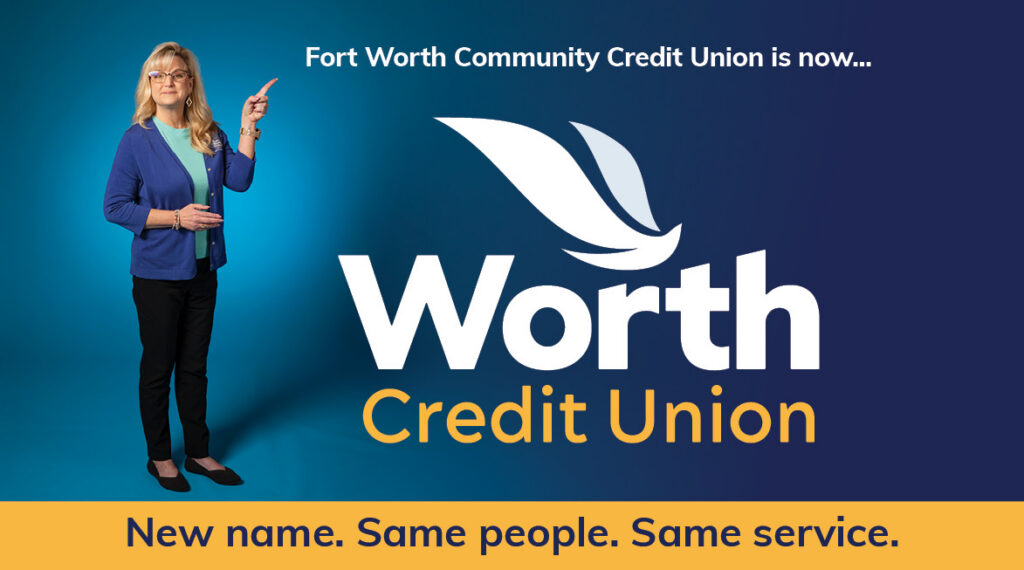
Inside out, in practice. When Fort Worth Community Credit Union became Worth Credit Union, Braid built a phased rollout that started with employees, helping them understand the “why” before the world saw the new name. Employee voices anchored the launch video, and the campaign carried one message to members: New name. Same people. Always for you.
- Your staff. This matters even more for an existing product, because staff may assume nothing has changed. Before anyone outside sees the campaign, the people answering phones, working the teller line or the front desk, and replying to messages should know what’s being promoted, why now, and how to talk about it. Give them talking points and an FAQ. Show them the creative before the public sees it. Your staff are the most trusted channel you have.
Try this: We create informational one-sheets that help our clients onboard their team, with a creative overview, a conversation-starting pitch, and the offer details. You can also consider an incentive program that rewards staff for recommending the product to the members and customers they talk with. - Your existing members or clients. Start with the people most likely to benefit, like members who already have a related product or past program participants who can refer someone new. A personal note from you to them by email, direct mail, online portal, or text message signals they’re hearing it first. Always end with a clear next step.
Try this: If you can add a perk that rewards loyalty, do it, and make it obvious how existing members or clients benefit. - Your partners and community. Board members, referral partners, local organizations, your outreach team, and (for credit unions) your employer groups can all extend your reach.
Give them a share kit: approved copy and graphics in one place or collateral specifically designed for their audience, plus clear guidance on when and how to share. That tailoring matters most when you serve more than one audience. Your brand speaks to who you are as an organization, but your promotional campaigns can carry audience-specific messaging and value propositions. - The public. New customer acquisition through traditional and digital advertising is usually what people picture first when they think of a promotional campaign, but it’s just one ring (the outer one) of your rollout. It matters, but it will only be as successful as the foundation you’ve built with the inner rings. It’s also where most of your budget goes, so this is where a targeted strategy pays off. Go back to your “why now?” answer to make sure your message shows up in the right place for the people you most want to reach. This is also where an agency partner like Braid Creative can stretch your budget further, pairing strong creative with a media plan built to reach those people.
Plan your lead time
Any experienced marketer will tell you that holiday creative, for example, starts production in the summer. Build in more time than you think you need. Work backward from your campaign start date and build in time for:
- Approvals. Compliance, legal, and leadership review all take time, and revisions often come back more than once.
- Media buys. Billboard, TV, and radio space often needs to be budgeted and booked well before your start date. Digital ad and streaming video specifications need to be confirmed for production.
- Production. Print, signage, and video all have vendor lead times.
- Systems. If the campaign includes a special rate or offer, make sure it’s live and working everywhere people will try to use it.
- Staff readiness. Training has to happen before day one, at every location.
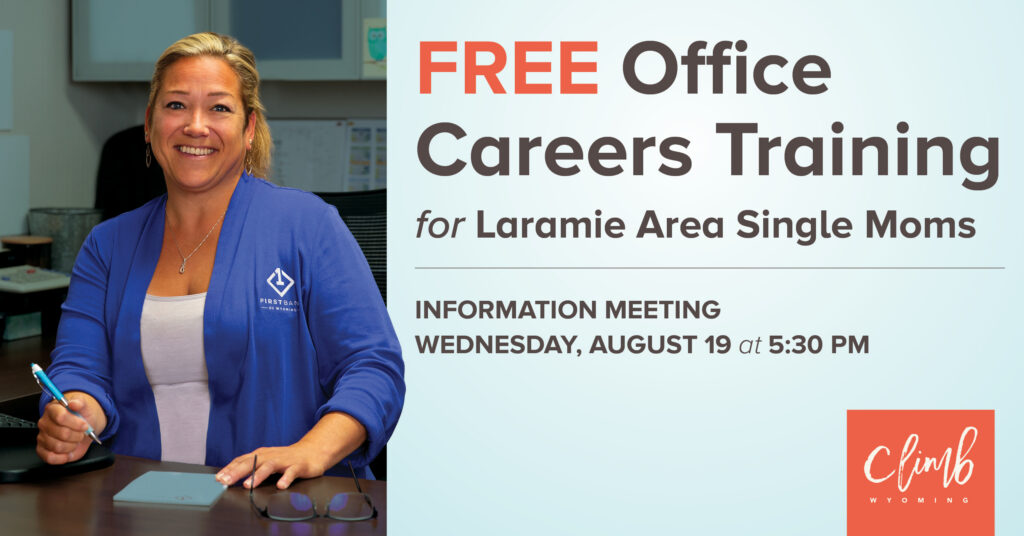
Every location, ready on day one. Braid creates Climb Wyoming’s recruitment promotions and buys their digital media placement. With six offices across the state offering free job training and career placement for single moms, every office needs to be ready to answer questions the day a promotion launches.
Once the campaign is live, the work shifts to paying attention. Keep leadership visible and staff ready for questions. Check results weekly against your goal and baseline, listen to what staff and members are hearing, and adjust what isn’t working. When the campaign ends, measure the results and treat this rollout as the starting point for next year’s plan.
Plan around the seasons
Seasonal campaigns work best when they meet people at a moment they’re already thinking about the thing you offer. Tax season, back to school, the holidays, home buying season, and year-end giving are obvious examples. Look at your own calendar for the moments when the people you serve are most likely to need each product or program, and plan your campaigns around them.


Meet people in the moment. Braid created Tinker Federal Credit Union’s holiday Visa campaign and its mall placement, putting a credit card offer in front of shoppers right as they headed into a big season of spending.
Map your channels
List every place your brand shows up, then decide how the campaign will appear in each one.
- Owned: website, email, app or online banking, statements, lobby, branch, and office signage, info sessions, social media, and (yes) your staff
- Earned: local press, community events, partner newsletters, speaking opportunities
- Paid: digital ads, out-of-home, radio, and TV
For every piece, answer the operational questions: Who writes it? Who designs it? Who approves it? Who publishes it? When is it due?
If this is your first structured rollout, resist doing everything. Start with the channels that already work and that you have the people to support. As your capacity grows, add one new channel each campaign and see how it performs. Over time, your campaigns will reach people across several channels at once, and each one needs to feel like part of the same story.
Picture someone driving to work who sees your message on a billboard. That evening, while watching the game, they see your 30-second commercial. The next day, your ad shows up in their social feed. They hop on Google, and when you come up first in their search, they think, “Oh, I’ve heard of them.” When they click through to your website, the graphics and offer match what they’ve been seeing out in the world, and they know they’re in the right place. They’re comfortable enough to get more information from you because they feel like they already know you. And when they finally apply or sign up, they are greeted with the same consistency that got them there. That’s how your campaign rollout builds familiarity with your brand and your offer at every step.

Consistent creative across every channel. Braid creates First Commerce Credit Union’s product campaigns and buys their media, so the creative and the placement are planned together from the start.
Refine and repeat annually
This is where seasonal campaigns pay off. A rollout plan you document this year becomes next year’s starting point. Keep what worked, cut what didn’t, and add one new idea. Each time you run it, it gets easier and your results get easier to read.
Be a farmer, not a hunter
This has been our agency credo since day one. A hunter heads out hoping for one big win. A farmer plants and comes back season after season, getting more from the same ground each year. Campaigns and brands work the same way. We’re always telling our clients to be farmers. One campaign won’t fix everything overnight, especially for organizations whose relationships last for years. What it will do is add to your reputation and give you real data. When you make a plan and stick to it, each campaign shows you what resonates, so the next one starts from evidence instead of guesswork.
Stay in the conversation between campaigns
There’s a time to promote and a time to simply show up. Between campaigns, keep educating, sharing stories from the people you serve, and being present in your community. It won’t show on this quarter’s dashboard, but it’s the trust you’ll be drawing on the next time you have something to promote.
Ready to plan your next promotion? Download our free Promotions Worksheet to map out your campaigns for the year, using seasonality and strategy as your guide.
Want to go deeper? On our Credit Union Marketing Podcast, Tara and Holly of Braid break down the difference between brand and promotion, and how a promotional calendar can act as your gatekeeper. Listen to the episode.
Need more help? We offer branding and promotional campaign marketing services for credit unions, nonprofits, and other mission-driven organizations. Contact us to learn more and see if we’re a fit.